
Unveiling the importance of
Digital Marketing
17 april 2024

Significance of Digital Marketing
In an era defined by digital connectivity and online interactions, the importance of digital marketing cannot be overstated. As businesses strive to carve out their niche in the digital realm, leveraging the power of digital marketing has become imperative for success.
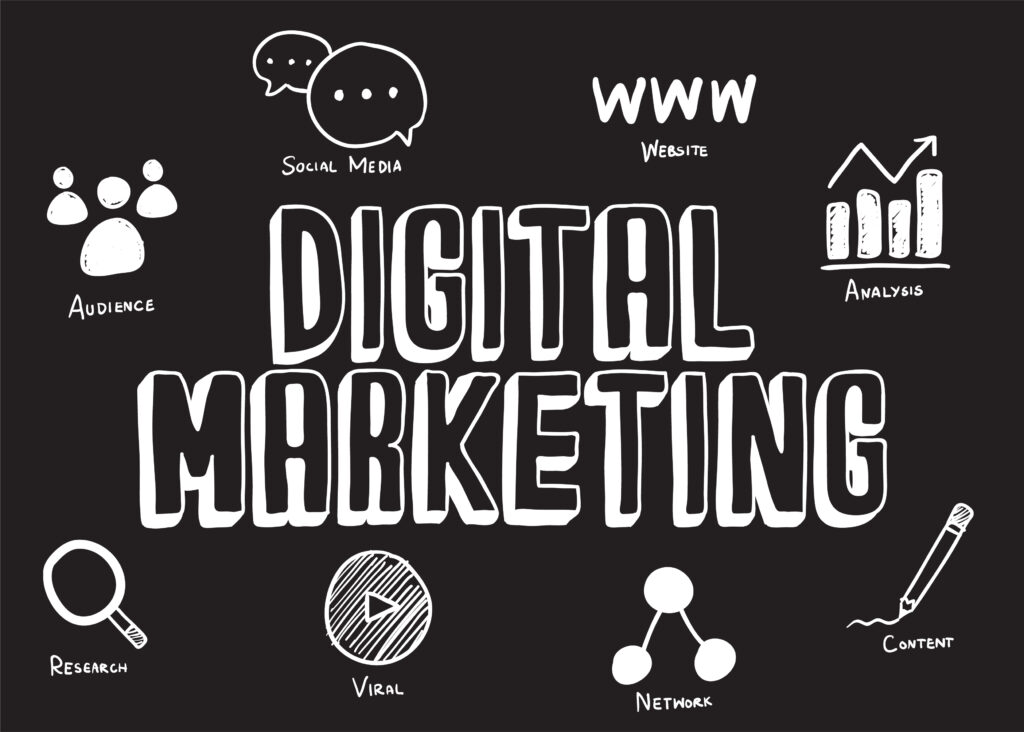
Digital marketing serves as the cornerstone of modern business strategies, offering unparalleled opportunities for reaching and engaging with target audiences across diverse platforms. Through channels such as social media, search engines, email, and websites, businesses can amplify their brand visibility, connect with customers on a personal level, and drive meaningful interactions that foster loyalty and advocacy.
Furthermore, digital marketing enables precise targeting and segmentation, allowing businesses to tailor their messaging to specific demographics, behaviors, and interests. This targeted approach not only enhances the relevance of marketing efforts but also maximizes the efficiency of budget allocation, ensuring optimal returns on investment.
Enhanced Reach and Visibility
In today’s digital age, consumers are increasingly turning to the internet to research products, services, and brands. Digital marketing enables businesses to capitalize on this trend by establishing a strong online presence across various digital channels. Through search engine optimization (SEO), businesses can improve their website’s visibility in search engine results pages (SERPs), ensuring that they appear prominently when potential customers search for relevant keywords.
Additionally, social media platforms provide a powerful avenue for connecting with audiences, building relationships, and amplifying brand messaging. By creating compelling content and engaging with followers, businesses can foster brand awareness and loyalty among their target demographic.
Data-Driven Decision Making:
Digital marketing generates a wealth of data that businesses can leverage to make informed decisions and optimize their strategies for success. Tools like Google Analytics, Facebook Insights, and CRM systems offer valuable insights into consumer behavior, preferences, and interactions with marketing campaigns.
By analyzing this data, businesses can identify trends, patterns, and opportunities to refine their messaging, target specific audience segments, and allocate resources more effectively. For example, if a particular advertising campaign is performing well with a certain demographic but falling short with another, businesses can adjust their targeting parameters or messaging accordingly to maximize ROI.
Competitive Edge and Market Adaptability
Digital marketing empowers businesses to stay agile, responsive, and ahead of the curve in a rapidly changing marketplace. Unlike traditional forms of marketing, which often require lengthy planning and implementation processes, digital marketing campaigns can be launched, tested, and optimized in real-time. This agility allows businesses to capitalize on emerging trends, capitalize on new opportunities, and address challenges as they arise.
By closely monitoring industry trends, competitor activity, and consumer feedback, businesses can adapt their strategies to remain relevant, competitive, and customer-centric in an ever-evolving landscape. Whether it’s adjusting ad spend based on performance metrics or pivoting messaging to resonate with shifting consumer preferences, digital marketing enables businesses to stay nimble and thrive in the digital age.
More Blogs

Blog Post 2

Blog Post 3